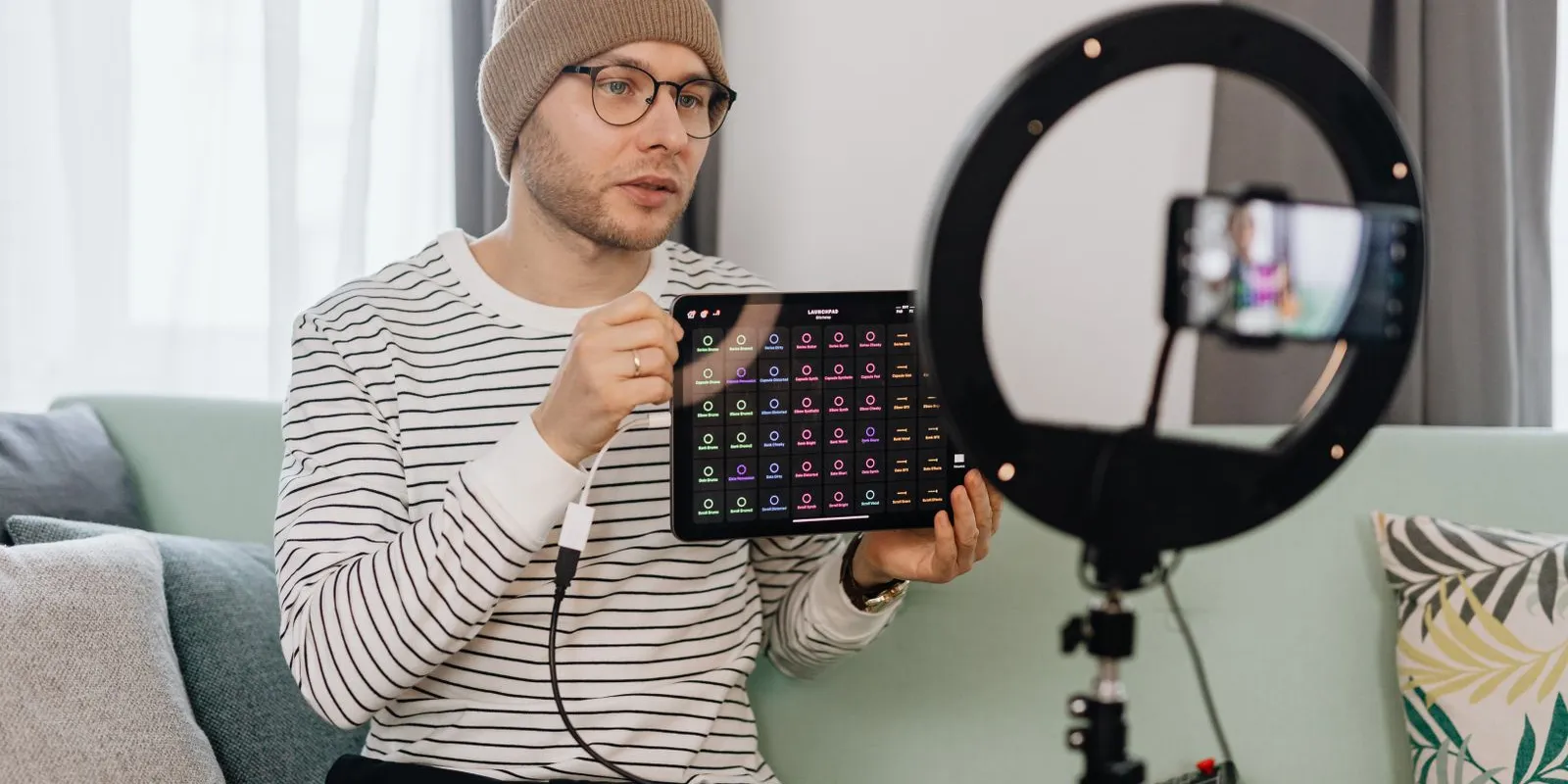
In the US, celebrities and influencers who promote a product must clearly disclose any material connection to the brand, such as payment, free products or a family or business relationship. The Federal Trade Commission’s Endorsement Guides set out how that disclosure should work, and a separate FTC rule bans fake testimonials, including fake celebrity ones. The core idea is simple: if a connection could affect how you weigh the endorsement, you deserve to know about it.
At Buddymagazine.org we write about celebrity culture, and sponsored posts are a big part of it. This guide explains what the rules require, what good and bad disclosures look like, and what they mean for you as a reader or viewer.
Key Takeaways
- A “material connection” includes money, free or discounted products, and personal, family or employment ties to a brand.
- Disclosures should be clear, simple and placed with the endorsement itself, not hidden behind “more” or in a profile.
- Words like “ad,” “advertisement” or “sponsored” work. Vague labels like “sp,” “collab” or a stand-alone “thanks” do not.
- In videos and live streams, the disclosure belongs in the content itself, ideally both spoken and on screen.
- FTC rules also prohibit fake celebrity testimonials, including using a celebrity’s likeness without permission in a way that misleads.
What the FTC Endorsement Guides Are
The Endorsement Guides, formally the Guides Concerning the Use of Endorsements and Testimonials in Advertising (16 CFR Part 255), explain how the FTC applies truth-in-advertising law to endorsements. The FTC’s endorsements, influencers and reviews resource page notes the guides were revised in 2023 and collects guidance for brands, influencers and review platforms.
The guides are not a list of fines. They describe what the FTC considers deceptive, and they apply to celebrities, everyday influencers and the brands that hire them.
What Counts as an Endorsement
An endorsement is broader than a scripted TV commercial. According to the FTC’s influencer guidance, tags, likes and pins can count as endorsements too.
What a Material Connection Means
The FTC describes a material connection as any personal, family, employment or financial relationship with a brand. Financial ties are not limited to cash. If a brand gives a celebrity free or discounted products and the celebrity mentions any of that brand’s products, the FTC says a disclosure is needed, even if they were not asked to mention that specific item.
How Disclosures Should Look
The FTC’s Disclosures 101 for Social Media Influencers is the clearest plain-language summary. Its main points:
- Make it hard to miss. Put the disclosure with the endorsement, not on a profile page, at the end of a long caption, behind a “more” button or mixed into a pile of hashtags.
- Use plain words. Terms like “ad,” “advertisement” or “sponsored” are clear, as is a simple note that a brand provided the product.
- Match the language. If the endorsement is in Spanish, the disclosure should be in Spanish too.
- Do not rely only on platform tools. Built-in “paid partnership” labels may not be enough on their own.
- Disclose even if the review is honest. Believing you are unbiased does not remove the need to disclose.
Photos, Videos and Live Streams
Format matters. On image-based stories, the disclosure should be superimposed on the image with enough time to read it. In videos, it should be in the video itself, not just the description, and the FTC suggests using both audio and on-screen text because some viewers watch with the sound off.
For live streams, the disclosure should be repeated periodically so people who join partway through still see or hear it.
Good vs. Weak Disclosures
The table below, which we at Buddymagazine.org built from the FTC’s examples, sums up what tends to work and what tends to fall short.
| Situation | Clear approach | Weak approach |
|---|---|---|
| Paid social post | “Ad” or “Sponsored” at the start of the caption | “#sp” buried among many hashtags |
| Free product received | Plain note that the brand sent the product | “Thanks, Brand” with no explanation |
| Ongoing brand partnership | Brand-partner label such as “BrandPartner” | “Collab” or “ambassador” alone |
| Video review | Spoken and on-screen disclosure in the video | Disclosure only in the description box |
| Live stream | Disclosure repeated throughout the stream | Mentioned once at the very beginning |
The FTC also says hashtags like #ad or #sponsored are fine but not required. What matters is that the message is clear and easy to notice.
Honesty Rules Beyond Disclosure
A disclosure does not make a misleading endorsement acceptable. The FTC’s influencer guidance says endorsers should only talk about products they have actually tried, and if they thought a product was bad, they cannot call it great just because they were paid.
Endorsers also should not make claims that would need proof they do not have, such as saying a product treats a health condition.
Fake Celebrity Testimonials and AI Likenesses
Separate from the Endorsement Guides, the FTC’s Rule on the Use of Consumer Reviews and Testimonials prohibits fake or false testimonials, including fake celebrity testimonials. According to the FTC’s questions and answers on the rule, it went into effect on October 21, 2024, and courts can impose civil penalties for knowing violations.
The same FTC guidance addresses AI. Using an AI avatar is not banned on its own, but using a celebrity’s likeness without permission to praise a product is prohibited if people would reasonably believe the celebrity actually gave that testimonial. The rule is aimed at businesses and people who sell fake testimonials, not at ordinary consumers writing reviews.
Fake celebrity ads are a common scam. Our guide on how to spot fake celebrity news online explains how to check whether a famous person really backed a product.
If an ad shows a celebrity promoting a miracle cure, a guaranteed investment or a “limited time” giveaway, be cautious. Check the person’s verified accounts and search the product name with “scam” before paying. You can report suspected scams to the FTC at ReportFraud.ftc.gov.
What This Means for You as a Reader
The rules give you a useful habit: when you see a celebrity praising a product, look for the disclosure. If it is there, you know money or free goods may be involved, and you can weigh the recommendation with that in mind.
No disclosure does not prove a post is unpaid; someone may simply have ignored the rules. Treat glowing praise with healthy skepticism and compare it with independent reviews.
Sponsored content shows up in news feeds too. Our guide to building a better news diet has more on choosing reliable sources. You can follow related coverage in our Celebrity News section, musicians’ income is explained in how music streaming royalties work, and the marketing side of the story often turns up in our Business coverage. For the full range of explainers, visit Buddymagazine.org.
Frequently Asked Questions
Do celebrities have to say a post is an ad?
Under FTC guidance, yes, if they have a material connection to the brand, such as being paid or receiving free products. The disclosure should be clear and placed with the endorsement. Simple words like “ad” or “sponsored” work, while vague labels like “sp” or “collab” are not considered clear enough.
Is #ad required, or are there other options?
The FTC says #ad and #sponsored are fine but not required. Any clear, plain-language disclosure can work, such as a note that the brand provided the product, or a brand-partner label. What counts is that viewers can easily notice and understand it right alongside the endorsement, not hidden in a profile.
Does the platform’s paid partnership label count as disclosure?
It may help, but the FTC advises not to assume a platform’s built-in disclosure tool is sufficient on its own. Influencers are encouraged to consider using it in addition to their own clear disclosure in the post, caption, video or audio, so the connection is obvious to everyone who sees the endorsement.
Is it legal to use AI to make a celebrity endorse a product?
Not without permission if it misleads people. FTC guidance on its testimonials rule says using a celebrity’s likeness without consent to speak favorably about a product is prohibited if reasonable consumers would think the celebrity really gave the testimonial. Other laws, such as state right-of-publicity rules, may also apply.